
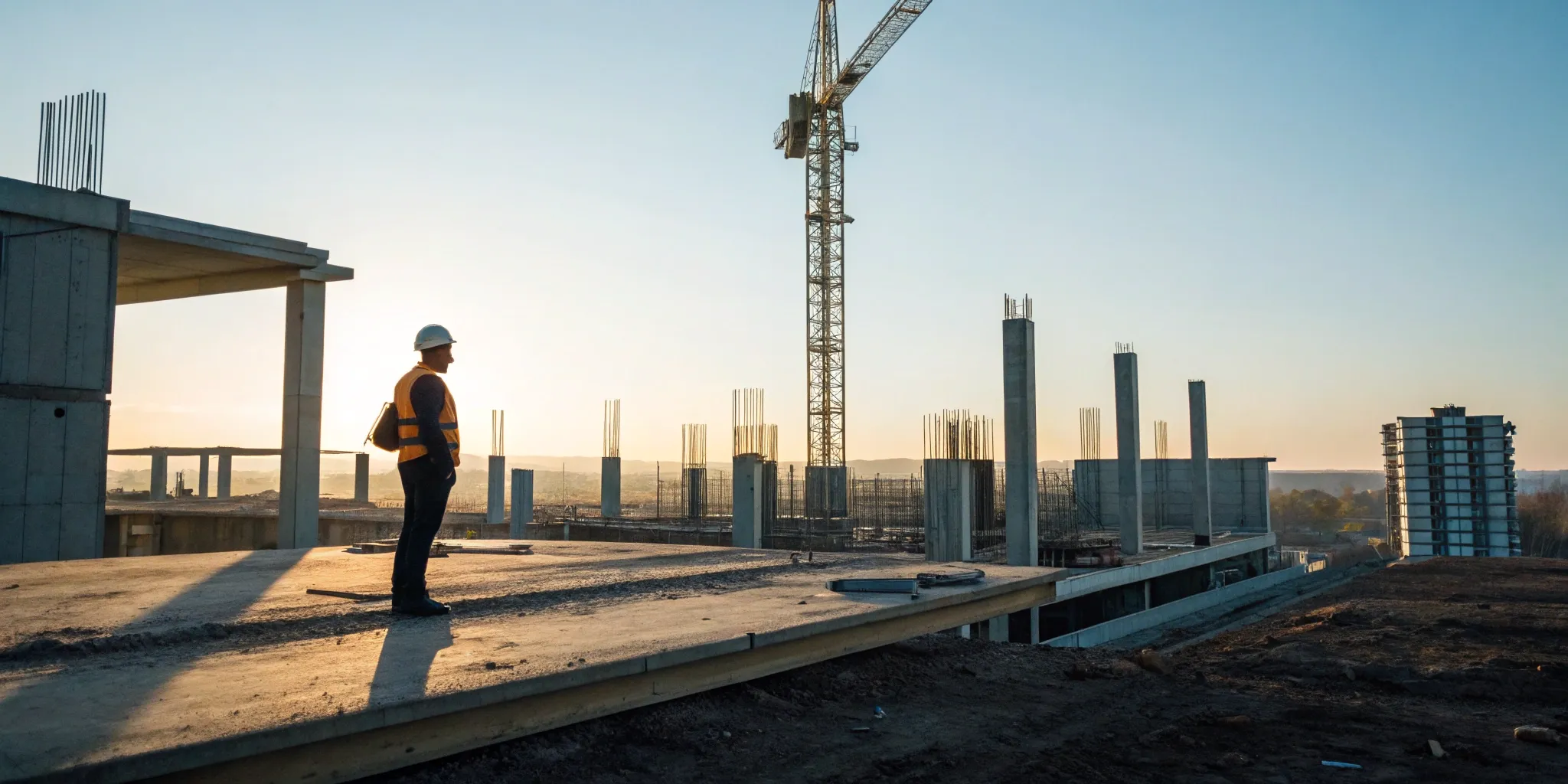

Every day, public records are filled with signals of future construction projects. A land sale, a zoning change, an early permit filing—these are all clues. For most firms, this information is just noise, impossible to track manually. But for a select few, it’s a clear roadmap to their next high-value project. They have a system for connecting these dots. This strategy, proactive client monitoring construction experts use, leverages data to spot private opportunities months in advance. It’s about finding the project before the project finds the market. Ahead, we’ll show you how to turn this public data into your private advantage.
Key Takeaways
- Get in Before the Bid: A proactive approach means you stop waiting for public tenders. By tracking early signals like land sales and permits, you can engage clients months ahead of the competition, build genuine relationships, and position your firm as a strategic partner, not just another bidder.
- Turn Proactive Monitoring into a System: Lasting success requires a repeatable process, not just good intentions. Define clear roles, use a central platform for communication to keep the field and office in sync, and get team buy-in by focusing on how early insights lead to better, more qualified work.
- Use Data to Find Hidden Opportunities: Don't rely on market chatter to find your next job. Leverage the right tools to analyze permit data, title transfers, and rezoning activity, allowing you to uncover private construction projects long before they become common knowledge.
What is proactive client monitoring?
In construction, proactive client monitoring is a business development strategy focused on keeping a close watch on your best clients' activities to anticipate their next move. It’s about shifting from waiting for them to call you to understanding their growth plans so you can be the first one they think of for their next project. Instead of just managing current jobs well, you’re actively tracking early-stage signals like land purchases, rezoning applications, and permit activity. These indicators can alert you to a client's need for a general contractor or subcontractor months before the project becomes public knowledge.
This approach allows you to get involved long before an RFP is issued. You can build stronger relationships and position your company as a strategic partner rather than just another bidder in a crowded field. When you’re in the conversation early, you have the opportunity to understand the project's true scope, offer valuable input, and even help shape the specifications to your strengths. It’s the difference between joining the race when everyone else does and getting a head start because you saw the track being built. This upstream visibility is key to securing a steady pipeline of work with the clients you already know and trust, a strategy many successful firms have used to gain a competitive edge, as detailed in their customer stories.
The core idea behind a proactive approach
At its heart, a proactive approach is about moving from a reactive to an anticipatory mindset. Think of it as playing chess instead of checkers—you’re not just reacting to the last move; you’re thinking several steps ahead. Instead of waiting for an invitation to bid, you’re actively seeking information that signals a future need. This shift dramatically improves your efficiency because you’re focusing your efforts on warm, qualified leads with clients you already have a relationship with. As industry experts note, this proactive management helps you identify opportunities during the earliest planning stages, which is exactly when you have the most influence and can provide the most value.
Why you can't afford to be reactive in construction
Being reactive in business development is a costly game of catch-up. When you only learn about a project after it’s gone public, you’re immediately thrown into a crowded, highly competitive bidding process where price often becomes the main differentiator. This squeezes your margins and reduces your chances of winning. Reactive work is also riskier because you have less time to do your due diligence, understand the client’s true needs, and build rapport. You’re responding with less information and under more pressure, which can lead to costly mistakes down the line. In short, playing defense all the time means you’re constantly fighting for scraps instead of securing the profitable, relationship-driven projects that build a sustainable business.
Proactive vs. Reactive: What's the real difference?
Let's break this down. Think of it like this: a proactive approach is about playing offense, while a reactive one has you stuck on defense. In construction, being proactive means you're always looking ahead. You’re anticipating needs, identifying potential roadblocks, and planning to prevent problems before they ever start. It’s about having a game plan for everything from site safety to your project pipeline. You’re in control, making strategic moves and setting the pace for your business. This mindset applies directly to how you find your next job. Instead of waiting for bid invitations to land in your inbox, you’re actively seeking out projects in the early planning stages, giving you a head start on the competition.
On the flip side, a reactive approach means you're constantly putting out fires. You're dealing with issues only after they've already happened. This might look like scrambling to find a new subcontractor at the last minute, dealing with unexpected budget overruns, or realizing your project pipeline is dry and you need to win a bid—any bid—right now. This approach is stressful and often leaves you feeling like you're always one step behind. It forces you to make quick fixes instead of smart, long-term decisions, which can hurt your reputation and your bottom line. The real difference isn't just about timing; it's about control and foresight.
Getting ahead vs. falling behind
When you get ahead of the curve with a proactive strategy, you’re not just avoiding problems—you’re creating opportunities. This forward-thinking approach helps you control costs better and keeps your team focused and accountable. For your business development, it means identifying promising projects long before they hit the public bid sites. This gives you the time to build genuine relationships with key stakeholders, understand their needs, and position your company as the perfect partner. Instead of reacting to a tender, you’re helping to shape the project from its earliest stages, which gives you a massive competitive edge. It’s the difference between being a bidder and being a trusted advisor.
The high cost of playing catch-up
Playing catch-up is expensive in more ways than one. On-site, when you’re constantly reacting to problems, you’re hit with the costs of delays, rework, and emergency fixes that eat into your profit margins. The same is true for your business development efforts. Waiting for projects to be publicly announced means you’re entering a crowded, highly competitive bidding process where price is often the only differentiator. This race to the bottom is a tough game to win. The real cost of being reactive is the missed opportunity—the chance to get in early, build a relationship, and win more profitable work with clients who value your expertise, not just your price tag.
What are the benefits of proactive monitoring?
Shifting from a reactive to a proactive approach isn't just about changing your workflow; it's about changing your outcomes. Instead of constantly putting out fires, you can prevent them from starting in the first place. This mindset gives you more control over your projects and, ultimately, your business's success. When you actively monitor your clients and their projects, you’re not just waiting for the next problem to arise. You’re anticipating needs, identifying risks, and steering the project toward a successful completion.
This forward-thinking strategy delivers tangible results that go far beyond a smoother workday. It directly impacts your finances by keeping costs in check and protects your most valuable asset: your reputation. By staying ahead of the curve, you can ensure projects are delivered on time and within budget, which is the foundation of a strong client relationship. Let’s break down the four key benefits you can expect when you make proactive monitoring a core part of your process.
Protect your budget and bottom line
Unexpected costs can derail even the most carefully planned project. Proactive monitoring is your best defense against budget overruns. By identifying potential issues during the planning and early execution phases, you can find solutions when they are cheapest and easiest to implement. A small adjustment to a blueprint is much less expensive than correcting a structural error after the concrete has been poured. This approach helps you avoid the high costs of major rework, system failures, and lost productivity, directly protecting your profit margins on every job. Good cost management is about preventing problems, not just tracking expenses.
Keep projects on schedule
In construction, time is money. Reactive methods often lead to a frustrating cycle of stopping and starting work, which throws timelines into chaos and causes delays. A proactive strategy helps you maintain momentum. By regularly monitoring progress and anticipating roadblocks, you can address potential delays before they impact your critical path and the final completion date. This creates a smoother, more predictable workflow, which keeps your crews productive, your suppliers happy, and your projects moving forward. When you can consistently prevent construction delays, you build a reputation for reliability that clients value.
Build stronger client relationships
Trust is the cornerstone of any successful client relationship. Proactive monitoring helps you build that trust through transparency and communication. When you keep clients informed about potential challenges and present them with solutions, you demonstrate that you are in control and have their best interests at heart. This open line of communication and collaboration transforms the client relationship from a simple transaction into a true partnership. Clients who feel involved and informed are more likely to be satisfied with the outcome, recommend your services, and bring you repeat business.
Spot problems before they start
The ultimate advantage of a proactive approach is the ability to see around corners. Instead of reacting to a problem after it has already caused damage, you can spot the warning signs and take preventive action. Consistent monitoring allows you to use real-time data to identify potential issues early, from supply chain hiccups to subcontractor scheduling conflicts. This gives you the power to make informed, data-driven decisions that keep the project on track. Effective construction risk management is less about having a contingency plan for every disaster and more about preventing those disasters from ever happening.
Overcome common monitoring challenges
Putting a proactive monitoring strategy in place sounds great, but making it stick is where the real work begins. Many firms run into the same handful of obstacles: communication breakdowns, overwhelming data, a lack of team buy-in, and fuzzy processes. These aren't signs of failure; they're normal growing pains. The most successful general contractors and subcontractors don't avoid these challenges—they build systems to overcome them.
The key is to address these issues head-on rather than letting them derail your projects. Think of it as reinforcing the foundation of your business development and project management. By creating clear communication channels, choosing the right technology, getting your people aligned, and defining your processes, you build a resilient framework for growth. As companies like Bird Construction have found, a proactive approach transforms how you find and win work by focusing your team on the right opportunities, early. Let’s break down how you can tackle each of these common hurdles.
Bridge the gap between the field and the office
Communication gaps between your team in the field and your staff in the office can quickly lead to project delays and expensive rework. When one team relies on information from a phone call and the other is looking at an outdated spreadsheet, misalignment is almost guaranteed. The solution is to create a single source of truth. A unified system ensures everyone is working from the same real-time data, whether it’s an early-stage project lead or an update from a job site. This eliminates the guesswork and confusion that comes from relying on disconnected emails and scattered notes, keeping your entire operation in sync.
Tame your tech and data
The amount of data available in construction can feel like a firehose. Adopting new technology is essential, but it’s not about having the most tools—it’s about having the right ones. The goal is to find platforms that cut through the noise and deliver clear, actionable insights. Instead of manually sifting through permit data or public records, an AI-powered platform can flag the exact title transfers and rezoning activities that signal an early-stage private project. This approach to improving data management turns a flood of information into a strategic advantage, allowing you to focus your resources where they’ll have the most impact.
Get your team on board
A new tool or process is only effective if your team actually uses it. To get everyone on board, you need to show them how a proactive approach makes their jobs easier, not harder. When your team understands that early project insights mean fewer cold calls and more qualified leads, they’ll be more invested in the process. This same principle applies to clients. By establishing direct lines of communication and involving them in the process, you can manage scope and expectations effectively. Clear communication ensures everyone—from your business development team to your project managers and clients—is aligned and working toward the same goals.
Set clear goals and processes
Proactive monitoring can’t be a casual effort; it needs a clear and repeatable process. This starts with defining roles and responsibilities so there’s no confusion about who does what. Who is responsible for tracking new project leads? What’s the process for qualifying an opportunity? When does a project get handed off from the business development team to the estimators? Documenting these workflows creates accountability and ensures that critical tasks don’t fall through the cracks. When everyone on your team understands their role and the steps involved, proactive monitoring becomes a reliable system that consistently delivers results.
The right tools for proactive monitoring
A proactive strategy is only as good as the tools you use to execute it. Relying on spreadsheets and phone calls alone can leave you scrambling to keep up. The right technology stack doesn't just organize your data; it gives you the power to act on it. By integrating the right software, you can automate routine tasks, gain deeper insights, and free up your team to focus on building relationships and delivering quality work. Let's look at the key tools that can transform your monitoring process from reactive to proactive.
Project management software for real-time insights
Your project management software should be the central nervous system of your operations. Modern construction management platforms go beyond simple scheduling. They create a single source of truth for every project, from the field to the office. These tools offer better communication channels, ensuring everyone from your subcontractors to the client stays informed and aligned. By automating routine tasks like daily reports and resource tracking, you get more accurate, real-time data, which means you can spot a potential delay or budget issue while it’s still a small problem, not a crisis.
AI platforms to find opportunities early
Getting ahead of the competition means finding projects before they hit the open market. This is where artificial intelligence comes in. By adopting advanced technology, you can enhance your monitoring capabilities for the entire market, not just your active projects. AI-powered platforms analyze vast datasets—like permit applications, title transfers, and rezoning activity—to flag private construction projects months before anyone else knows about them. This gives you a critical head start to connect with key decision-makers, understand their needs, and position your company as the ideal partner long before a formal bidding process begins.
Automated reporting and communication hubs
How much time does your team spend compiling reports and answering questions about project status? Automated reporting tools can give you those hours back. These systems create a mutually accessible source of information for everyone involved, from your internal team to the client. Instead of digging through email chains, stakeholders can access a central hub with up-to-date documentation, progress photos, and communication channels. This transparency not only remedies confusion but also builds trust with your clients, as they can see progress for themselves without having to ask for an update.
Predictive tools to assess risk
The best way to manage risk is to see it coming. Predictive tools use data from your current and past projects to forecast potential issues with scheduling, cost management, and quality control. Instead of just tracking what’s already happened, this software helps you model different scenarios and understand the potential impact of decisions before you make them. By integrating risk management into your daily monitoring process, you can ensure that every deliverable meets predefined standards and that you have a clear plan to address challenges before they threaten your timeline or budget.
Put proactive monitoring into action
Theory is great, but execution is what matters. Shifting to a proactive mindset requires practical changes to your daily operations. It’s about building systems that make it easy to stay ahead of issues and in sync with your clients. Here’s how to start.
Set up a clear communication rhythm
Miscommunication is a project killer. Instead of scattered emails and calls, create a central hub for all project information. Using construction project management software gives everyone—from subcontractors to office management—a single source of truth. This remedies confusion with easy access to documentation and clear communication channels. When everyone works from the same playbook, you can address questions in real-time and keep stakeholders aligned. This consistent flow of information is the foundation of a proactive strategy.
Create checkpoints for accountability
Proactive monitoring is a continuous process. Establish regular checkpoints throughout the project to review progress and ensure accountability. These meetings should focus on identifying potential hurdles before they become crises. With rigorous quality control and continuous oversight, you can manage resources effectively and keep the project moving. These checkpoints aren’t about micromanaging; they’re about maintaining momentum. As many of our partners have shared in their customer stories, this approach is key to delivering projects consistently and building a strong reputation.
Define quality standards and expectations
You can’t monitor what you haven’t defined. Before the project begins, work with your client to establish clear, measurable quality standards. What does a successful outcome look like? Document these expectations in a quality control plan that your team can reference. By integrating quality control into your monitoring process, you can verify that every deliverable meets these predefined standards. This simple step prevents costly rework and ensures the final product aligns perfectly with the client’s vision.
Train your team on new tools and workflows
The best tools are useless if your team doesn’t use them. Whether you’re adopting new project management software or a platform for finding opportunities, proper training is essential. Show your team how these tools automate tasks and improve collaboration. When people understand how a new workflow makes their job easier, they’re more likely to embrace it. For instance, equipping your business development team with a tool like Mercator's Free Permits App can streamline how they find and track new projects.
How to know if it's working (and how to improve)
Putting a proactive monitoring plan in place is a huge step, but how do you know if your efforts are paying off? It comes down to measuring your performance, learning from the data, and consistently refining your approach. This isn’t about a one-time fix; it’s about building a system that gets smarter with every project. By tracking the right metrics and creating a cycle of feedback, you can ensure your proactive strategy delivers real results for your clients and your bottom line.
Track the right KPIs
You can't improve what you don't measure. To gauge the success of your proactive monitoring, you need to track the right Key Performance Indicators (KPIs). Instead of getting overwhelmed by data, focus on a few metrics that directly reflect project health and client satisfaction. These might include the number of RFIs, the frequency of change orders, or your project’s schedule variance. The goal is to choose essential construction KPIs that give you a clear, at-a-glance view of performance, helping you make smarter decisions to keep projects on track and on budget.
Use data to predict outcomes
Your KPIs are more than just a report card on past performance; they’re a window into the future. When you consistently track project data, you start to see patterns. You can identify which project types face similar risks or where bottlenecks tend to appear. This allows you to move from reacting to issues to predicting them. By leveraging data-driven insights, you can anticipate potential problems, adjust your strategy, and steer projects toward success before they ever go off course. This is how you maintain control and build a reputation for flawless execution.
Create a feedback loop for continuous improvement
Data is only useful if you act on it. The final step is to create a feedback loop that turns insights into action. Schedule regular post-project reviews with your team to discuss what worked, what didn’t, and why. Document these lessons and use them to update your workflows, checklists, and training for future jobs. This commitment to continuous improvement ensures that your company doesn’t just complete projects—it learns from them. Over time, this process minimizes challenges, refines your quality control, and builds a stronger, more resilient operation.
Related Articles
- What is a Construction Project Analytics Platform?
- Construction Project Tracking: A Complete Guide
- Construction Project Intelligence: A Complete Guide
- What Are Industrial Construction Contractors?
Frequently Asked Questions
Isn't proactive monitoring just another term for good customer service? That's a great question, but they are two different things. Good customer service is often reactive—you respond quickly and effectively when a client has a problem or a need. Proactive monitoring is about anticipating those needs before your client even has to ask. It's a business development strategy that uses early-stage project signals, like land purchases or rezoning activity, to understand what your best clients are planning next. This allows you to be a strategic partner in their growth, not just a service provider for their current project.
My team is already swamped. How can we find the time for proactive monitoring? I completely understand that feeling. The key is to see this not as adding more work, but as shifting your effort to more valuable tasks. Think about the time spent chasing cold leads or scrambling for last-minute bids. Proactive monitoring focuses your energy on the warmest possible leads—your existing clients. Using the right tools can automate the heavy lifting of tracking data, so your team spends less time searching for information and more time building relationships based on what they find. It’s an investment that pays off by creating a more predictable and profitable project pipeline.
What's the single most important first step to becoming more proactive? Don't try to boil the ocean. The best way to start is to pick your top three to five clients—the ones you have a great relationship with and want to do more work for. Instead of trying to monitor the entire market, focus exclusively on tracking their activity. Set up alerts or a system to watch for any news, permit filings, or property transactions connected to them. This makes the process manageable and allows you to prove the concept and see results quickly before you roll it out on a larger scale.
Can smaller subcontractors or suppliers really benefit from this, or is it just for large GCs? Absolutely. The principles are the same, no matter your company's size. For a subcontractor or supplier, proactive monitoring might mean keeping a close watch on the general contractors you work with most. When you see that a trusted GC has pulled a permit for a new project, you can reach out early to get your services or products specified. It’s about focusing your efforts on the key relationships that drive your business, giving you a head start long before the project goes out for general bidding.
How do I talk to my clients about this without sounding like I'm just trying to sell them more? Frame the conversation around partnership, not sales. When you spot an early opportunity related to a client, you can approach them with helpful insights. You might say something like, "I saw you recently acquired a new parcel of land and, based on our last project together, I had a few ideas that might help you avoid potential site challenges." This shows you're invested in their success and thinking about their future. You're not just asking for the job; you're offering valuable, forward-thinking advice that reinforces your role as a trusted partner.


AI-powered business development for the construction industry
Schedule a time to discuss your use case and walk through a custom demo of the platform.