
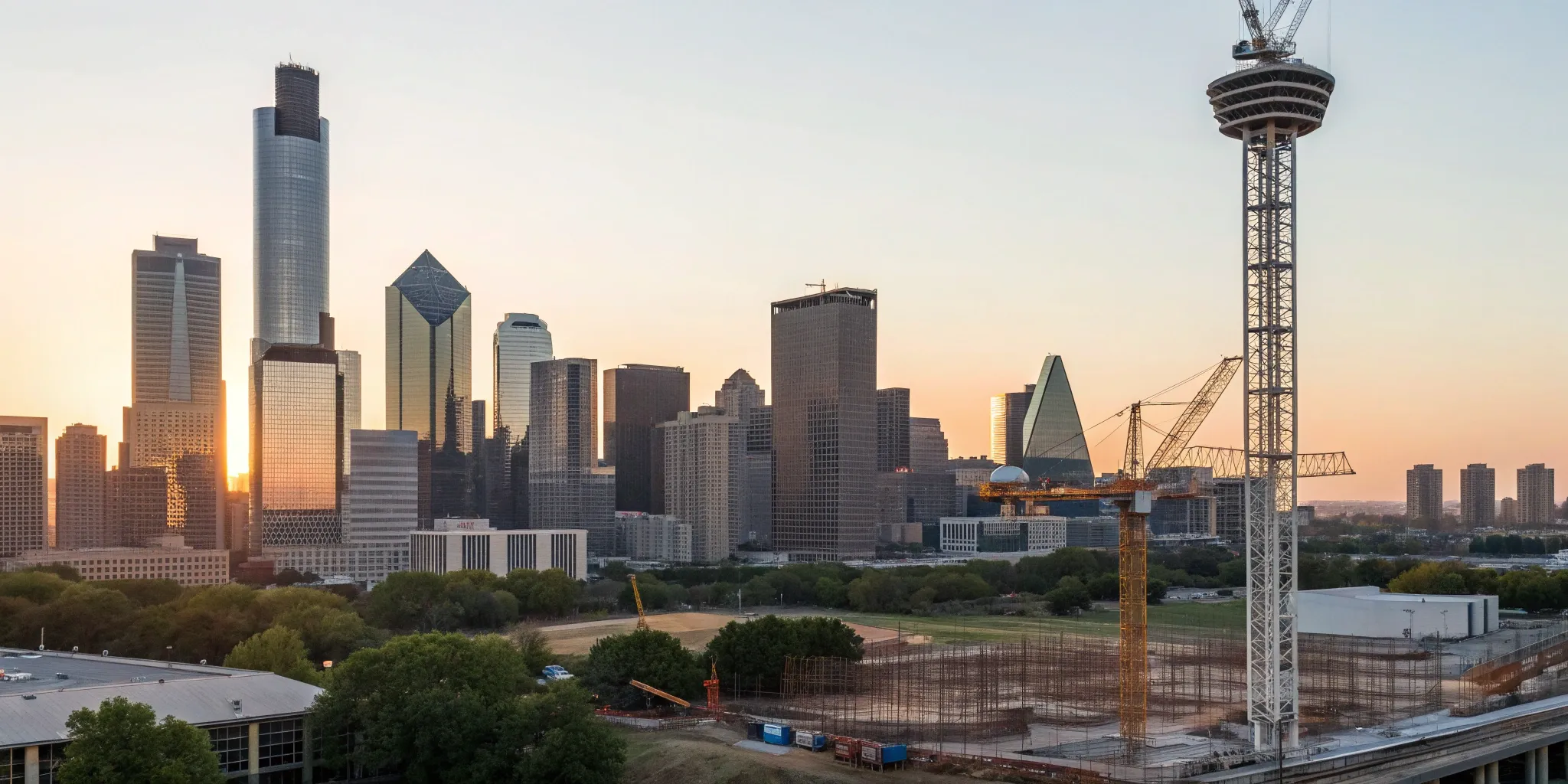

The most important deals for new commercial construction in DFW happen long before you see a crane on the skyline. By the time a project is announced, the key players are already chosen, leaving you to compete on price for what's left. But what if you could see these opportunities forming months, or even years, in advance? This guide is your roadmap to the invisible stages of development. We’ll show you how to spot the early signals—from rezoning applications to land sales—that point to the next wave of major projects Dallas developers are planning right now.
Key Takeaways
- Look Beyond a Single Project Type: Dallas offers a rich mix of opportunities, from suburban mixed-use developments to downtown office towers and sprawling industrial parks. Aligning your business development with these diverse, high-growth sectors is the first step to building a strong project pipeline.
- Position Yourself as a Problem-Solver: Developers are juggling market saturation, supply chain issues, and regulatory hurdles. By understanding these pain points, you can tailor your approach to offer solutions, making you a strategic partner rather than just another number in a bid stack.
- Early Information is Your Biggest Advantage: The most successful firms don't wait for RFPs. They win work by tracking early project signals like title transfers and rezoning applications, which allows them to build key relationships and influence decisions months before the competition even knows a project exists.
Which New Commercial Construction Projects Are Reshaping Dallas?
If you’re in the construction business in Dallas, you know the skyline is constantly changing. But what’s really driving that growth? It’s not just one type of project. The boom is happening across several key areas, from massive corporate headquarters to sprawling entertainment districts. Understanding these trends is the first step to getting your foot in the door. Let’s break down the major project types that are defining the next chapter for Dallas and creating huge opportunities for general contractors, subcontractors, and suppliers.
The Rise of Live-Work-Play Communities
The "live-work-play" model is taking over Dallas suburbs. Instead of single-purpose buildings, developers are creating vibrant, integrated communities. These mixed-use projects combine retail shops, office spaces, restaurants, and residential units all in one walkable area. You can see this trend in full swing in fast-growing cities like Frisco, Flower Mound, and Arlington. For construction professionals, this means projects with diverse needs, requiring a wide range of trades and materials. These developments are complex and long-term, offering a steady stream of work for firms that can manage multifaceted builds and build relationships with the developers shaping these new neighborhood hubs.
Meet the New Corporate Headquarters
Despite shifts in work culture, the demand for premium office space in Dallas remains strong. New office towers are rising, and major players like Deloitte are signing significant leases, signaling confidence in the city's business climate. According to Downtown Dallas, Inc., companies are actively choosing to expand their footprint in the city center. This activity isn't just about new builds; we're also seeing older office buildings get a second life through conversions into industrial or residential spaces. For contractors, this means opportunities in both ground-up construction and complex renovation projects, catering to the evolving needs of Dallas's corporate tenants.
Creating Dallas's Next Entertainment Hotspots
Dallas is doubling down on becoming a premier destination for tourism and entertainment. We’re seeing a wave of ambitious projects designed to attract visitors and residents alike, from high-end retail centers to family-focused theme parks. The most talked-about example is the new Universal Kids Resort planned for Frisco, a project that will require a massive, coordinated effort from all corners of the construction industry. These large-scale entertainment and retail developments are game-changers, creating not just the main attraction but also the supporting infrastructure of hotels, restaurants, and shops that spring up around them.
The Tech and Logistics Powering the City
Behind the scenes of the flashier projects, the industrial sector is quietly booming. The Dallas-Fort Worth area has become a critical hub for logistics and data, leading to a surge in the construction of massive industrial parks and data centers. As our reliance on e-commerce and cloud computing grows, so does the need for these facilities. These projects are often vast in scale and require specialized expertise in areas like concrete, steel erection, and complex electrical systems. For suppliers and subcontractors, the growth of the DFW data center market represents a significant and sustained pipeline of high-value work.
A Look Inside Dallas's New Commercial Buildings
If you’re looking to win work in Dallas, it pays to know what developers are actually building. The city’s commercial landscape is incredibly diverse, moving far beyond a single type of project. We’re seeing a dynamic mix of corporate headquarters, sprawling entertainment districts, and massive logistics hubs. Understanding these key trends helps you see where the opportunities are and position your company to capitalize on them. By tracking the types of projects gaining momentum, you can anticipate the specific needs for materials, labor, and specialized services. Many successful construction firms are already aligning their business development strategies with these market movements.
Designing the Future of Office Space
While some question the future of the office, Dallas tells a different story. Developers are constructing new office towers, attracting major corporate tenants like Deloitte who are leasing large blocks of space. This signals strong confidence in the city as a primary business hub. Beyond brand-new builds, there’s a fascinating trend of adaptive reuse, where older office buildings are being converted into industrial spaces. This creates unique opportunities for contractors who specialize in retrofitting and complex renovations, as these projects require a different skill set than ground-up construction.
Building Spaces for Shopping and Experiences
The retail scene in Dallas is transforming into an experience-driven market. We’re talking about game-changing developments, including the new Universal Kids Resort planned for Frisco, a theme park designed specifically for families. This is part of a larger wave of destination projects that blend shopping with entertainment and hospitality. For contractors and suppliers, these large-scale venues demand a broad range of expertise, from themed construction and specialized lighting to robust infrastructure capable of handling high foot traffic. It’s a clear sign that developers are betting big on creating unique public attractions.
How Mixed-Use Is Changing Neighborhoods
The "live-work-play" model is booming, especially in suburban hubs like Flower Mound, Frisco, and Arlington. These mixed-use developments are essentially entire neighborhoods built from scratch, combining office buildings, retail storefronts, hotels, and residential apartments in one cohesive plan. This approach creates vibrant, walkable communities where everything is conveniently located. For construction professionals, these projects are a goldmine of diverse opportunities. A single development could require work on everything from multi-family housing and parking garages to restaurant build-outs and corporate interiors, offering a steady stream of work for various trades.
The Demand for Modern Warehouses and Data Hubs
The demand for warehouses and distribution centers has exploded, making Dallas-Fort Worth one of the nation's leaders in industrial construction. The market is driven by a "build now, fill later" mentality, where immense investor confidence is fueling growth even as some properties await tenants. Massive new industrial parks are being planned and built across the region to meet the needs of e-commerce and supply chain logistics. For general contractors and subcontractors, this translates to a high volume of large-scale projects focused on concrete, steel, and sophisticated internal systems needed for modern logistics operations.
What's Driving the Dallas Construction Boom?
Dallas isn't just growing; it's strategically expanding. The city's commercial construction boom is the result of a powerful combination of massive investment, a business-friendly environment, and a forward-thinking approach to development. For general contractors, subcontractors, and suppliers, understanding these driving forces is key to knowing where the opportunities are and how to position your business to win them. Let's break down the key factors turning Dallas into a hotbed for new projects.
The Impact of Billion-Dollar Investments
The sheer scale of development in Dallas is staggering, with tens of billions of dollars committed to new projects. This isn't just about one or two landmark buildings; it's a city-wide transformation. We're seeing a diverse portfolio of game-changing developments, including sprawling industrial parks, state-of-the-art data centers, vibrant entertainment venues, and massive mixed-use communities. This variety creates a broad spectrum of opportunities for construction professionals. Whether your specialty is in commercial office space, industrial warehousing, or complex residential builds, there is a significant pipeline of work available. The momentum is strong, promising a steady stream of projects for years to come.
Why Investors Are Betting Big on Dallas
A major catalyst for this growth is the flood of private investment pouring into the Dallas-Fort Worth area. Investors are drawn by a robust job market and favorable economic incentives, creating a cycle of growth that fuels further development. This influx of capital is a strong vote of confidence in the city's future, enhancing the commercial real estate landscape and solidifying Dallas's reputation as a top-tier destination for business and innovation. For construction firms, this means projects are well-funded and more likely to move from planning to reality, providing a stable and predictable market to operate in.
Government Incentives and Opportunity Zones
It’s not just private money fueling the Dallas boom; strategic government programs are also playing a huge role. Cities across Texas are using incentives to steer development into specific areas, and one of the most impactful tools is the Opportunity Zone program. These zones are designated neighborhoods where investors receive tax benefits for funding new projects. The goal is to bring new life and economic activity to these communities. For construction firms, these zones are essentially treasure maps pointing to future development hotspots. Knowing where they are allows you to anticipate where the next wave of new apartments, offices, and retail spaces will break ground, giving you a critical head start on building relationships and tracking potential projects.
Building for a Smarter, Greener Future
The Dallas construction scene is also being shaped by a commitment to innovation. As projects become larger and more complex, developers and contractors are adopting new technologies to improve efficiency and outcomes. The impact of AI and automation is particularly noticeable, with tools being used to optimize schedules, manage resources, and reduce project risks. Alongside this tech adoption is a growing emphasis on sustainable development. Green building practices are no longer a niche interest but a core requirement for many new commercial projects, reflecting a broader market trend toward environmentally responsible construction that adds long-term value.
How Will This New Construction Impact the Dallas Economy?
These massive developments are more than just new buildings on the skyline; they are powerful engines for Dallas's economic growth. The sheer scale of investment—billions of dollars pouring into commercial real estate—creates a ripple effect that touches nearly every part of the local economy. From creating thousands of jobs to funding public services through increased tax revenue, the impact is substantial. For general contractors, subcontractors, and suppliers, understanding this economic landscape is key to seeing the full scope of opportunity in the Dallas market. Let's break down what this boom really means for the city's bottom line.
Creating Thousands of New Jobs
It’s no surprise that a construction boom creates construction jobs, but the impact extends far beyond the job site. As new office towers, retail centers, and residential buildings open, they create a permanent demand for workers in other sectors. The Dallas-Fort Worth area is seeing a wide variety of building projects, including many large-scale apartment complexes. These new spaces will need facility managers, retail staff, and service professionals to operate. This creates a sustainable cycle of employment, where the initial construction phase gives way to long-term career opportunities that support these growing communities.
The Effect on Property Values and City Revenue
With over $30 billion being invested in new projects across the city, a significant rise in property values is inevitable. As new developments attract high-profile tenants and residents, they increase the value of the surrounding areas. This growth directly benefits the city itself. Higher property values lead to increased tax revenues, which can be reinvested into improving public infrastructure, schools, and services for Dallas residents. This creates a positive feedback loop where development funds public improvements, making the city an even more attractive place for future investment.
Upgrading Roads, Transit, and Infrastructure
A growing city needs the infrastructure to support it, and Dallas is making strategic moves to keep pace. To handle the increased density, the city is actively improving its public transit and rethinking outdated regulations. For example, Fort Worth is exploring more passenger train lines, and the Dallas City Council is considering changes to old parking requirements to encourage more walkable, modern urban spaces. These forward-thinking upgrades make it easier for people to live and work in these new commercial hubs, signaling a city that is planning for smart, sustainable growth.
What Hurdles Do These Major Projects Face?
While Dallas is a hotbed of opportunity, these massive commercial projects don't come without significant hurdles. For general contractors, subcontractors, and suppliers, understanding these challenges is key to working the landscape and protecting your own business. Developers are juggling everything from market demand and financing to supply chain bottlenecks and municipal red tape. Any one of these issues can cause delays, shrink margins, or even halt a project entirely. When you're bidding on work, knowing the specific pressures a developer is under gives you a serious advantage. You can tailor your proposal to address their pain points, anticipate potential roadblocks in your own scope of work, and manage risk more effectively. It’s not just about knowing what’s being built, but also understanding the complex web of challenges that could impact your timeline, your budget, and your relationship with the client. This awareness helps you move from being just another bidder to becoming a strategic partner who can help keep the project moving forward.
The Challenge of Filling New Commercial Space
Dallas is a classic "build now, fill later" market. The sheer volume of construction shows incredible investor confidence, but it also means developers are building speculative spaces without tenants already lined up. This creates a competitive environment where massive industrial and office projects are completed, only to sit vacant while the search for occupants begins. For contractors and suppliers, this can translate to uncertainty around project phases and payment schedules. A developer facing leasing challenges might be slower to move forward on the next phase of a build-out until they secure an anchor tenant, directly impacting your pipeline and timeline.
Dealing with Supply and Labor Shortages
Even with the best plans, large-scale commercial projects are complex undertakings. In a booming market like Dallas, the competition for skilled labor and essential materials is fierce. This can lead to increased costs and significant project delays. A shortage of experienced electricians or a long lead time for structural steel can throw an entire schedule off course. Success often comes down to having a well-coordinated team and meticulous planning. As a contractor or supplier, your ability to deliver on time and communicate proactively about potential disruptions makes you an invaluable partner to developers trying to manage these pressures.
Getting Through Permitting and Red Tape
Before a single shovel hits the ground, developers spend months, sometimes years, dealing with regulations and permits. Each municipality has its own set of rules, and handling the essential components of commercial land development—from zoning and environmental impact to building codes—is a major challenge. Securing financing and managing soft costs like architectural designs and land surveys also happens long before construction begins. Any hiccup in this early stage can create a domino effect, delaying the project start date and impacting everyone down the line. Understanding these upstream hurdles gives you a more realistic picture of a project’s true timeline.
The Official Permitting Process
The journey from a blueprint to a physical building is paved with paperwork, and the building permit is the first major milestone. In major Texas cities, a permit is required for any new commercial construction, significant remodel, or addition. According to the Houston Permitting Center, this permit must be physically present on the construction site until the project receives its final approval. This isn't just a formality; it's the official green light that signifies a project is moving from the planning phase into active construction. For subcontractors and suppliers, a filed permit is a strong signal that a project is real and funded, but it's also a late-stage indicator. By this point, the general contractor has likely been chosen, and many key decisions are already locked in.
Working Through Multi-Departmental Plan Reviews
Securing a permit isn't as simple as filling out one form. Developers must submit their plans for a multi-departmental review, a process that can feel like a marathon of approvals. A single project might need sign-offs from numerous city groups, including Structural, Planning, Utilities, the Fire Marshall, and Flood Plain Management. Each department scrutinizes the plans based on its own specific codes and requirements. A delay in one department can create a bottleneck for the entire project, pushing back timelines and increasing soft costs. This intricate review process is a major reason why the pre-construction phase can take so long, and it underscores the complexity developers face before breaking ground.
Preparing for On-Site Inspections
Once construction is underway, the regulatory hurdles continue with a series of mandatory on-site inspections. These checks ensure that the work being done matches the approved plans and complies with all building codes. Inspectors must be scheduled at critical stages of the project, and a failed inspection means work has to stop until corrections are made and a re-inspection is passed. As the official guidelines state, if a project needs corrections, the team must call to schedule another review. For everyone on the project, from the GC to the subcontractors, these inspections represent critical checkpoints that can directly impact the schedule and budget, adding another layer of risk and uncertainty to the construction timeline.
What Are the Timelines for These Dallas Projects?
It’s the million-dollar question for every contractor and supplier: when will these massive projects actually break ground, and when will they be finished? Pinpointing an exact completion date can feel like trying to hit a moving target. Timelines shift due to financing, permitting, and supply chain hurdles. But understanding the typical development cycle and the factors influencing it can give you a major advantage. Instead of waiting for a public announcement, you can anticipate a project's trajectory. The Dallas commercial real estate market is poised for a transformative year, and knowing the rhythm of these developments is key to getting your foot in the door at the right time. It’s less about a specific date on the calendar and more about recognizing which phase a project is in and how you can get involved.
Understanding Project Phases and Deadlines
Every major project moves through distinct phases: land acquisition, zoning and permitting, design, and finally, construction. Each stage can take months, or even years. The real opportunity for most contractors and suppliers isn't when the foundation is being poured; it's much earlier. By tracking projects from the moment a title is transferred or a rezoning application is filed, you can start building relationships with developers and architects long before the project goes to bid. This upstream visibility allows you to influence specifications and position your company as a valuable partner. Getting in early is how successful firms shape their project pipeline instead of just reacting to public bids.
Why Location Is the Key to Success
The location of a project tells you a lot about its potential timeline. A development in a dense, established area like Uptown Dallas might face logistical challenges and stricter regulations, while a project in a rapidly growing suburb like Frisco or Plano could move faster once approvals are in place. Dallas’s commercial real estate landscape is undergoing rapid change, with different submarkets heating up at different times. Understanding these micro-trends helps you focus your efforts. By analyzing where development is clustering, you can anticipate infrastructure needs and position your business to serve the next big hub before your competitors even know it exists.
Downtown vs. Suburbs: Where Is the Growth Happening?
Dallas is seeing a tale of two cities: a revitalized urban core and explosive suburban growth. Downtown projects often involve complex renovations or building on tight footprints, which can mean longer, more intricate timelines. Meanwhile, the suburbs are home to massive industrial and data center developments. The DFW area is a prime example of a "build now, fill later" market, especially as the data center subsector continues to boom. These large-scale suburban projects might have faster construction phases but longer planning and infrastructure stages. Knowing whether your services are better suited for intricate urban work or sprawling suburban campuses helps you target the right opportunities from the start.
How Your Business Can Win These Construction Contracts
Seeing these massive projects take shape across Dallas is exciting, but figuring out how to get your foot in the door can feel overwhelming. The key isn't just about having a great portfolio; it's about being strategic and proactive. Landing a contract on a major development rarely happens by chance. It requires getting in front of the right people long before the project is common knowledge and the bidding process becomes a race to the bottom. By focusing on early detection, relationship building, and strategic positioning, you can move from being a bidder to becoming a preferred partner. Let's break down the approach that top firms use to win significant work in this competitive market.
How to Find New Projects First
In a market as dynamic as Dallas, waiting for a public announcement or an RFP means you’re already behind. The real opportunity lies in identifying projects at their earliest stages—when land is being acquired, rezoning applications are filed, or initial permits are pulled. Gaining this upstream visibility gives you the time to research the project's scope, understand the developer's vision, and prepare a thoughtful, tailored approach instead of a rushed bid. Tools that track these early indicators are invaluable. Having a system that delivers real-time alerts on title transfers and permit activity allows you to spot opportunities months before your competitors even know they exist, giving you a decisive head start.
Using Public Data to Track Early Project Signals
The smartest firms in Dallas aren't waiting for projects to be announced; they're finding them. The key is to track the earliest public signals that a development is taking shape. Long before a project has a name, it has a paper trail—a title transfer for the land sale, a rezoning application to change its use, or an early demolition permit. This information is all publicly available but scattered across various city and county records, making it tough to follow. By systematically tracking these signals, you can identify the key players like the owner and developer months before an RFP is ever issued. This early insight is your biggest advantage, giving you the time to build relationships and get specified before the competition even knows the project exists.
Assessing a Project’s Financial Health
The Dallas market is flush with cash, but that doesn't mean every project is a guaranteed win. Before you dedicate resources to a pursuit, it’s smart to do a quick financial health check. Start with the developer: do they have a history of successfully completing projects of this size? Then, look at the funding. A project with solid backing from known investors is far less risky than one with murky financing. Dallas has a huge portfolio of game-changing developments, so you can afford to be selective. By focusing your efforts on financially sound projects, you protect your business from getting tied up in a venture that might stall and ensure you’re partnering on the most promising opportunities in the city.
Why You Need to Network Now
Once you’ve identified a promising project, the next step is to connect with the key decision-makers. As companies sign new leases and expand their footprints in areas like Downtown Dallas, the network of owners, developers, architects, and engineers solidifies quickly. Simply cold-calling a developer is a shot in the dark. A much more effective strategy is to map out the project's key players and identify who in your existing network can provide a warm introduction. Understanding these hidden connections helps you bypass gatekeepers and start conversations with the people who actually make the decisions. Successful customer stories often begin with leveraging a single, well-placed relationship to open the door to a major project.
Get Your Business Ready to Bid
Winning a major commercial contract in Dallas requires more than a competitive price. Developers and project owners are looking for partners who can add value and mitigate risk. This means you need to position your business as the expert solution. Showcase your firm’s experience with similar projects and highlight your use of modern construction technologies like BIM software, which demonstrates a commitment to efficiency and collaboration. When you engage with decision-makers early, you have the chance to understand their specific pain points and goals. You can then tailor your proposal to address those needs directly, proving that you’re not just another contractor but a strategic partner invested in the project’s success.
Related Articles
- Dallas/Fort-Worth Commercial Construction Leads
- 8 Top Commercial Construction Companies in Texas (2025)
- Commercial Construction Texas: The Ultimate Guide
Frequently Asked Questions
It seems like all the big projects are already claimed by the time I hear about them. How can I get in earlier? This is a common frustration, and it means you need to shift your focus upstream. Instead of waiting for public bids, start tracking the earliest signals of a project, like land sales, rezoning applications, or initial permit filings. These activities happen months, or even years, before construction begins. By monitoring these indicators, you can identify opportunities and start building relationships with the project owners and design teams long before your competitors are even aware a project exists.
Are developers building on spec, or do they have tenants lined up first? Dallas is very much a "build now, fill later" market, especially in the industrial sector. A great deal of investor confidence is fueling speculative development, meaning developers are building entire facilities without a tenant signed on. While this shows a strong belief in the market, it can create risk. For contractors, it’s important to be aware of this because a developer’s ability to secure a lease might influence the timeline for future phases or interior build-outs.
With so much competition for labor and materials, how can my company stand out? In a crowded market, your reputation for reliability is your greatest asset. Developers are looking for partners who can solve problems, not create them. You can stand out by demonstrating excellent communication, providing realistic timelines, and showcasing how you use technology to manage projects efficiently. When you prove that you can help a developer mitigate risk and stay on schedule, price becomes less of a deciding factor.
Is the construction boom concentrated in one area, or is it spread out across the DFW metroplex? The growth is happening everywhere, but the types of projects differ by location. In Downtown Dallas, you’ll see more complex high-rise construction and renovations on tight urban lots. As you move into the suburbs like Frisco, Plano, and Arlington, the projects become more sprawling. This is where you’ll find the massive mixed-use communities, corporate campuses, and vast industrial parks that have more room to expand.
Besides the huge new builds, are there opportunities in renovations or adaptive reuse projects? Absolutely. While the new towers and industrial parks get a lot of attention, there is a significant amount of work happening in adaptive reuse. We’re seeing a strong trend of older, underused office buildings being converted into new spaces, such as industrial facilities or residential units. These projects require a specialized skill set and present a great opportunity for firms that excel at complex renovations.
AI-powered business development for the construction industry
Schedule a time to discuss your use case and walk through a custom demo of the platform.